.gif)
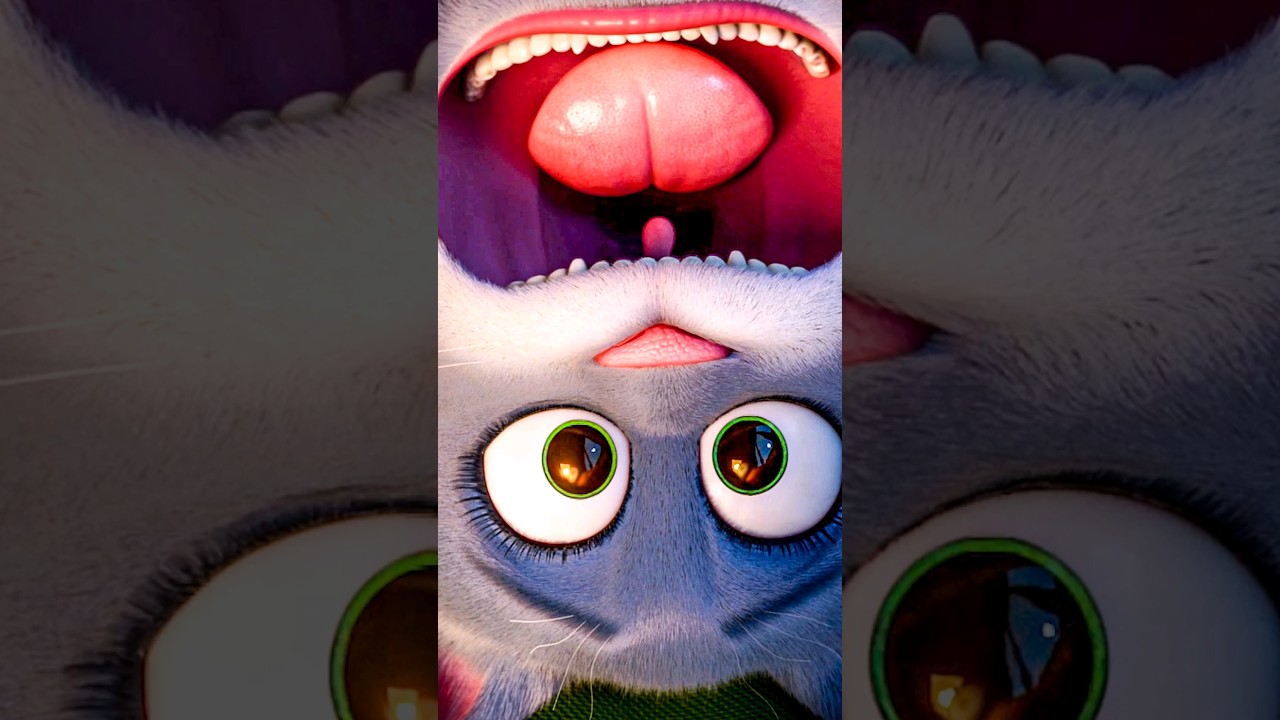
Learn German with Movies | Crazy Cat Scene with German & English Subtitles (A2-B1)
Learn German with Movies | Crazy Cat Scene with German & English Subtitles (A2-B1)
Improve your German listening skills naturally using authentic movie scenes. This hilarious cat scene includes interactive subtitles, vocabulary, grammar notes and exercises.
What You'll Learn
- German expressions used in everyday conversations
- How native speakers express confusion, realization, and humor
- Useful vocabulary for intermediate learners (A2-B1)
- Listening comprehension practice with real-time subtitles
📖 How To Study With This Lesson
- Watch with subtitles: Watch the scene with German and English subtitles to understand the context.
- Watch without subtitles: Cover the subtitles or minimize the video to test your listening comprehension.
- Repeat the sentences: Pause the video and repeat each sentence out loud to improve pronunciation.
- Download the PDF: Get the full transcript and translation for offline study and review.
📝 Scene Summary
🇩🇪 Deutsch
In dieser lustigen Szene gesteht ein Haustier:
"Baby, ich möchte dich nicht anlügen.
Mein Frauchen hat mir wohl ein ganz kleines bisschen Katzenminze gegeben."
Die andere Person antwortet: "Okay, alles klar. Klasse.
Es ist klasse, Gidget. Einfach alles ist klasse."
Dann fragt sie: "Okay. Hörst du das?"
Die andere: "Was soll ich hören?"
"Das ist wie ein kleiner Motor. So ein brummendes Geräusch."
"Ähm, ich weiß nicht genau, was du Ähm, ach so.
Du schnurrst, weiter nichts. Das bist du."
"Was? Das bin ich?
Das heißt, das Geräusch kommt aus meinem Inneren?"
"Ja."
"Oh, ich frage mich, welche Geräusche ich noch machen kann."
Dann wechselt das Thema zu Max und seinem Quietschebähnchen.
"Oh, würdest du zuhören?
Oh, bitte hör auf, hör auf."
"Bist du fertig?"
Die Szene zeigt die humorvolle Entdeckung des Schnurrens und die typische Katzen-Kommunikation.
🇬🇧 English
In this funny scene, a pet confesses:
"Baby, I don't want to lie to you.
My owner probably gave me just a tiny bit of catnip."
The other person replies: "Okay, got it. Great.
It is great, Gidget. Everything is just great."
Then she asks: "Okay. Do you hear that?"
The other: "What am I supposed to hear?"
"It is like a little motor. That humming sound."
"Uh, I am not sure what you Oh, wait.
You are purring that is all. That is you."
"What? That is me?
So that sound is coming from inside me?"
"Yes."
"Oh, I wonder what other sounds I can make."
Then the topic changes to Max and his squeaky toy.
"Oh, would you please listen?
Oh, please stop, stop."
"Are you done?"
The scene shows the humorous discovery of purring and typical cat communication.
German Vocabulary
| German | English | Explanation |
|---|---|---|
| anlügen | to lie to | To tell a lie to someone |
| das Frauchen | owner (female) | Female pet owner (informal, affectionate) |
| die Katzenminze | catnip | A plant that cats love |
| die Klasse | great / class | In this context: "great" or "awesome" |
| der Motor | motor | A machine that produces motion |
| brummend | humming | Making a low continuous sound |
| das Geräusch | sound / noise | Something that is heard |
| schnurren | to purr | The sound that cats make when happy |
| das Innere | inside | The interior part of something |
| sich fragen | to wonder | To ask oneself |
| das Quietschebähnchen | squeaky toy | A toy that makes a squeaking sound |
| anvertrauen | to trust with | To entrust something to someone |
| zuhören | to listen | To pay attention to sound |
| fertig | done / finished | Completed or finished |
Grammar Notes
📌 Modal Verbs - "möchte" (would like to)
"I don't want to lie to you."
Rule: "möchte" is the subjunctive form of "mögen" (to like). It is used to express "would like to" or "want to" in a polite way.
📌 Separable Verbs - "anlügen"
"To lie to you."
Rule: "anlügen" is a separable verb meaning "to lie to". The prefix "an" separates from the verb stem in main clauses.
📌 Question Words - "Was" (What)
"What am I supposed to hear?"
Rule: "was" is the question word for asking about things. "soll" is a modal verb meaning "should" or "supposed to".
📌 Reflexive Verbs - "sich fragen"
"I wonder..."
Rule: "sich fragen" is a reflexive verb meaning "to wonder" or "to ask oneself". "mich" is the reflexive pronoun for "ich".
📌 Imperative - "Hör auf" (Stop!)
"Stop, stop!"
Rule: "Hör auf" is the imperative form of "aufhören" (to stop) for "du". "aufhören" is a separable verb, so the prefix "auf" comes after "hör".
Frequently Asked Questions
❓ Can movies help you learn German?
Yes, absolutely! Movies improve listening skills and vocabulary naturally because you hear authentic dialogues, expressions, and pronunciation used by native speakers in real contexts.
❓ What level is this lesson?
This lesson is suitable for A2-B1 learners (intermediate level). It contains common everyday expressions and clear pronunciation that are perfect for learners who already have basic German knowledge.
❓ Should I watch the scene more than once?
Yes, definitely! Repetition improves comprehension and pronunciation. Watch it multiple times - first with subtitles, then without, and practice repeating the sentences out loud.