.gif)
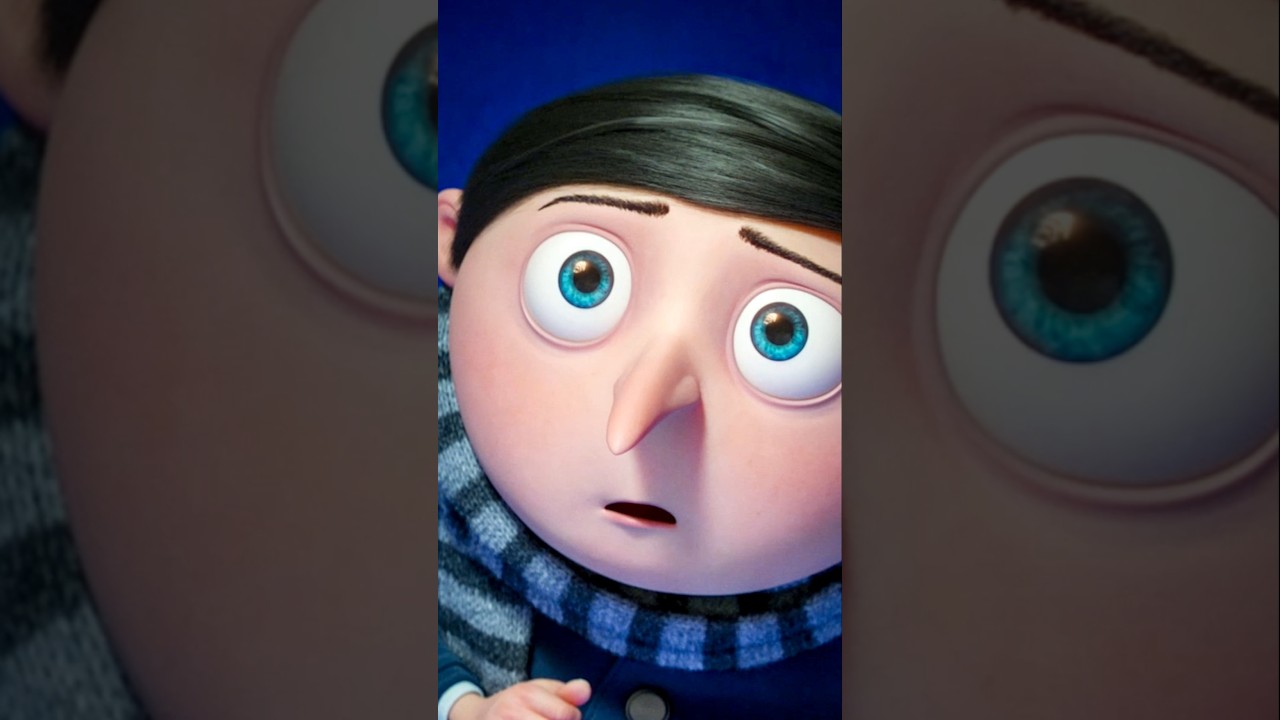
Learn German with Movies | Is He Really a Chubby Little Weirdo? (A2-B1)
Learn German with Movies | Is He Really a Chubby Little Weirdo? (A2-B1)
Improve your German listening skills naturally using authentic movie scenes. This hilarious confrontation scene about a kid who wants to be evil includes interactive subtitles, vocabulary, grammar notes and exercises.
What You'll Learn
- German expressions used in confrontational and humorous situations
- How native speakers express disbelief, mockery, and determination
- Useful vocabulary for intermediate learners (A2-B1)
- Listening comprehension practice with real-time subtitles
📖 How To Study With This Lesson
- Watch with subtitles: Watch the scene with German and English subtitles to understand the context.
- Watch without subtitles: Cover the subtitles or minimize the video to test your listening comprehension.
- Repeat the sentences: Pause the video and repeat each sentence out loud to improve pronunciation.
- Download the PDF: Get the full transcript and translation for offline study and review.
📝 Scene Summary
🇩🇪 Deutsch
In dieser lustigen Szene fragt jemand empört: "Wer hat das Kind reingelassen?
Ich dachte das wäre ein kleiner Mann."
Dann fragt die Person: "Was ist bei dir eigentlich kaputt?"
Sie sagt weiter: "Glaubst du allen Ernstes ein mickriger kleiner Junge kann einfach ein Schurke werden?"
Das Kind antwortet selbstbewusst: "Ähm ja, weil ich einfach unverbesserlich bin."
Die Person warnt: "Kommen Sie mir lieber nicht in die Quere.
Das Böse ist für Erwachsene.
Erwachsene die mächtige alte Steine stehlen und Chaos verbreiten.
Und nicht für mopsige kleine Spinner.
Lauf lieber zur Schule. Lerne. Geh zur großen Pause. Und lutsch am Daumen."
Die Szene zeigt den humorvollen Konflikt zwischen einem Kind, das ein Schurke sein will, und einem Erwachsenen, der ihn nicht ernst nimmt.
🇬🇧 English
In this funny scene, someone asks indignantly: "Who let the kid in?
I thought that was a little man."
Then the person asks: "What is actually wrong with you?"
They continue: "Do you seriously believe a scrawny little boy can just become a villain?"
The kid replies confidently: "Uh yeah, because I am simply incorrigible."
The person warns: "You had better not get in my way.
Evil is for adults.
Adults who steal powerful ancient stones and spread chaos.
And not for chubby little weirdos.
You had better run to school. Study. Go to recess. And suck your thumb."
The scene shows the humorous conflict between a kid who wants to be a villain and an adult who doesn't take him seriously.
German Vocabulary
| German | English | Explanation |
|---|---|---|
| reingelassen | let in | Past participle of "reinlassen" - to let someone in |
| das Kind | child | A young person |
| der kleine Mann | little man | A small adult or a young boy acting grown-up |
| kaputt | broken / wrong | Not working properly; in this context: "what's wrong with you" |
| allen Ernstes | seriously | In all seriousness |
| mickrig | scrawny / puny | Small and weak-looking |
| der Schurke | villain | An evil or wicked person |
| unverbesserlich | incorrigible | Unable to be reformed or corrected |
| in die Quere kommen | to get in the way | To obstruct or interfere |
| das Böse | evil | Morally wrong or wickedness |
| der Erwachsene | adult | A grown-up person |
| mächtig | powerful / mighty | Having great power or influence |
| der Stein | stone | A solid, naturally occurring rock |
| das Chaos | chaos | Complete disorder and confusion |
| verbreiten | to spread | To distribute or cause to become widespread |
| mopsig | chubby / plump | Slightly fat in a cute way |
| der Spinner | weirdo / nutcase | Someone who is strange or crazy (informal) |
| die große Pause | recess | Break time at school |
| der Daumen | thumb | The thick digit of the hand |
Grammar Notes
📌 Question Words - "Wer" (Who)
"Who let the kid in?"
Rule: "wer" is the question word for asking about people. "reingelassen" is the past participle of "reinlassen" (to let in).
📌 Present Perfect - "hat reingelassen"
"Who has let the kid in?"
Rule: "hat" is the auxiliary verb for the present perfect. "reingelassen" is the past participle of "reinlassen".
📌 Subjunctive - "Glaubst du..." (Do you believe...)
"Do you seriously believe..."
Rule: "Glaubst du" is the present tense question form of "glauben" (to believe). "allen Ernstes" means "seriously" or "in all seriousness".
📌 Separable Verbs - "reingelassen"
"Let in."
Rule: "reinlassen" is a separable verb. In the past participle, the prefix "rein" comes before the participle: "reingelassen".
📌 Imperative - "Lauf lieber..." (You had better run...)
"You had better run to school."
Rule: "Lauf" is the imperative form of "laufen" (to run) for "du". "lieber" in this context means "rather" or "you had better".
Frequently Asked Questions
❓ Can movies help you learn German?
Yes, absolutely! Movies improve listening skills and vocabulary naturally because you hear authentic dialogues, expressions, and pronunciation used by native speakers in real contexts.
❓ What level is this lesson?
This lesson is suitable for A2-B1 learners (intermediate level). It contains common everyday expressions and clear pronunciation that are perfect for learners who already have basic German knowledge.
❓ Should I watch the scene more than once?
Yes, definitely! Repetition improves comprehension and pronunciation. Watch it multiple times - first with subtitles, then without, and practice repeating the sentences out loud.