.gif)
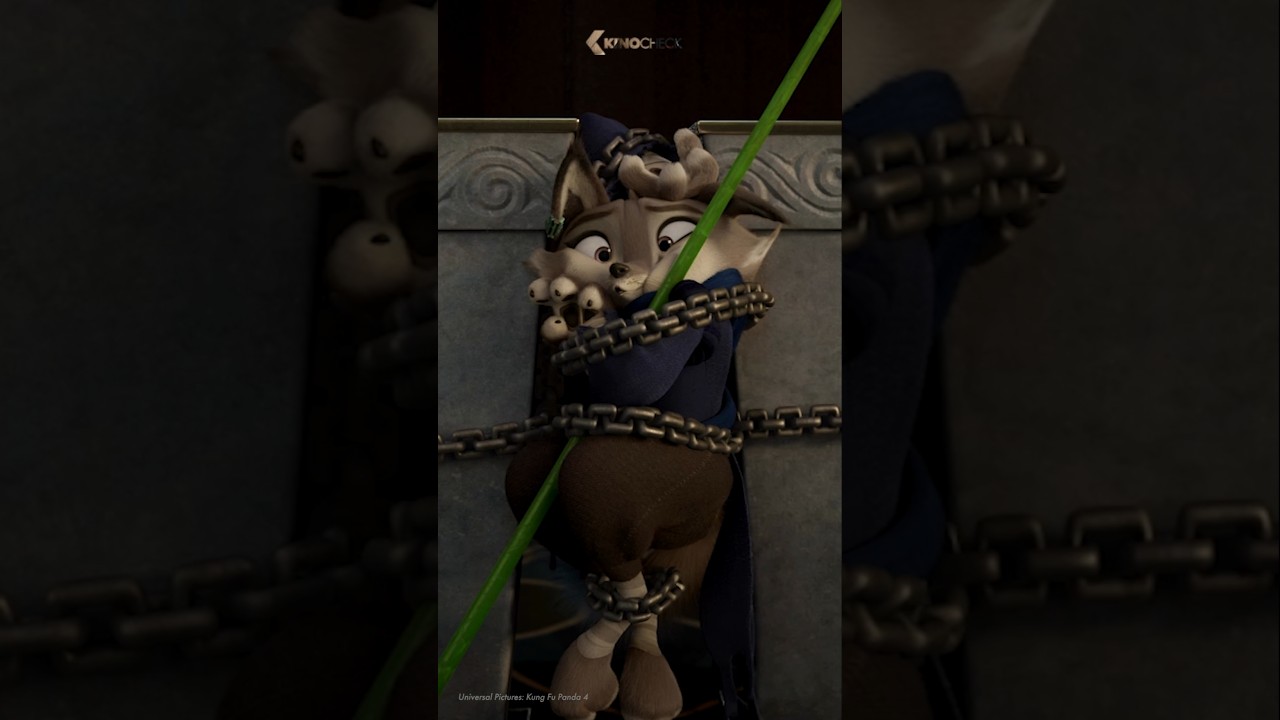
Learn German with Kung Fu Panda | The Dumpling Warrior's Funny Escape Scene (A2-B1)
Learn German with Kung Fu Panda | The Dumpling Warrior's Funny Escape Scene (A2-B1)
Improve your German listening skills naturally using authentic movie scenes from DreamWorks' Kung Fu Panda. This hilarious escape scene includes interactive subtitles, vocabulary, grammar notes and exercises.
What You'll Learn
- German expressions used in confrontational and humorous situations
- How native speakers express accusations, sarcasm, and humor
- Useful vocabulary for intermediate learners (A2-B1)
- Listening comprehension practice with real-time subtitles
📖 How To Study With This Lesson
- Watch with subtitles: Watch the scene with German and English subtitles to understand the context.
- Watch without subtitles: Cover the subtitles or minimize the video to test your listening comprehension.
- Repeat the sentences: Pause the video and repeat each sentence out loud to improve pronunciation.
- Download the PDF: Get the full transcript and translation for offline study and review.
📝 Scene Summary
🇩🇪 Deutsch
In dieser lustigen Szene aus Kung Fu Panda beginnt die Unterhaltung mit einem einfachen "Hallo?" Plötzlich ruft jemand: "Du Faker!" Die andere Person antwortet: "Das ist kein Fake. Das ist Schauspielerei. Dann bis später, Panda." Doch der Panda antwortet: "Nein! Ich würd sagen, wir erledigen das gleich." Nach einem kurzen Kampf sagt einer: "Hab's dir gesagt." Der Panda antwortet sarkastisch: "Hast mich erwischt, oh großer und mächtiger Klößchenkrieger." Der andere korrigiert: "Es heißt Drachenkrieger." Die Szene zeigt den typischen Humor und die Wortspiele, für die Kung Fu Panda bekannt ist.
🇬🇧 English
In this funny scene from Kung Fu Panda, the conversation begins with a simple "Hello?" Suddenly someone shouts: "You faker!" The other person replies: "That's not a fake. That's acting. See you later, Panda." But the Panda responds: "No! I'd say let's settle this right now." After a short fight, someone says: "Told you so." The Panda replies sarcastically: "You got me, oh great and mighty dumpling warrior." The other corrects him: "It's Dragon Warrior." The scene shows the typical humor and wordplay that Kung Fu Panda is known for.
German Vocabulary
| German | English | Explanation |
|---|---|---|
| der Faker | faker | Someone who pretends to be something they're not |
| der Fake | fake | A false imitation or deception |
| die Schauspielerei | acting | The art of performing in plays or movies |
| bis später | see you later | Farewell expression for seeing someone later |
| erledigen | to settle / to finish | To complete or resolve something |
| gleich | right now / immediately | In a short time, soon |
| erwischen | to catch / to get | To catch someone or something |
| groß | great / big | Large in size or importance |
| mächtig | mighty / powerful | Having great power or strength |
| der Klößchenkrieger | dumpling warrior | A humorous title combining "dumpling" and "warrior" |
| der Drachenkrieger | Dragon Warrior | The legendary warrior title in Kung Fu Panda |
Grammar Notes
📌 Verb Position - Main Clauses
"That is not a fake."
Rule: In German main clauses, the conjugated verb is in the second position. "Das" (subject) + "ist" (verb) + "kein Fake" (object).
📌 Modal Verbs - "würd sagen" (would say)
"I would say..."
Rule: "würd" is a colloquial contraction of "würde" (subjunctive of "werden"). It's used to make a suggestion or express a conditional statement.
📌 Idiomatic Expressions - "Hab's dir gesagt"
"Told you so."
Rule: "Hab's dir gesagt" is the shortened form of "Ich habe es dir gesagt". It's a common idiom meaning "I told you so" or "Told you".
📌 Question Words - "Es heißt..." (It's called...)
"It's Dragon Warrior."
Rule: "Es heißt" is used to say "It's called" or "It's named". This is the standard way to correct someone about a name or title.
📌 Separable Verbs - "erledigen"
"...settle this right now."
Rule: "erledigen" is not separable (it has the prefix "er-" which is not separable). It means "to settle" or "to get something done".
Frequently Asked Questions
❓ Can movies help you learn German?
Yes, absolutely! Movies improve listening skills and vocabulary naturally because you hear authentic dialogues, expressions, and pronunciation used by native speakers in real contexts.
❓ What level is this lesson?
This lesson is suitable for A2-B1 learners (intermediate level). It contains common everyday expressions and clear pronunciation that are perfect for learners who already have basic German knowledge.
❓ Should I watch the scene more than once?
Yes, definitely! Repetition improves comprehension and pronunciation. Watch it multiple times - first with subtitles, then without, and practice repeating the sentences out loud.