.gif)
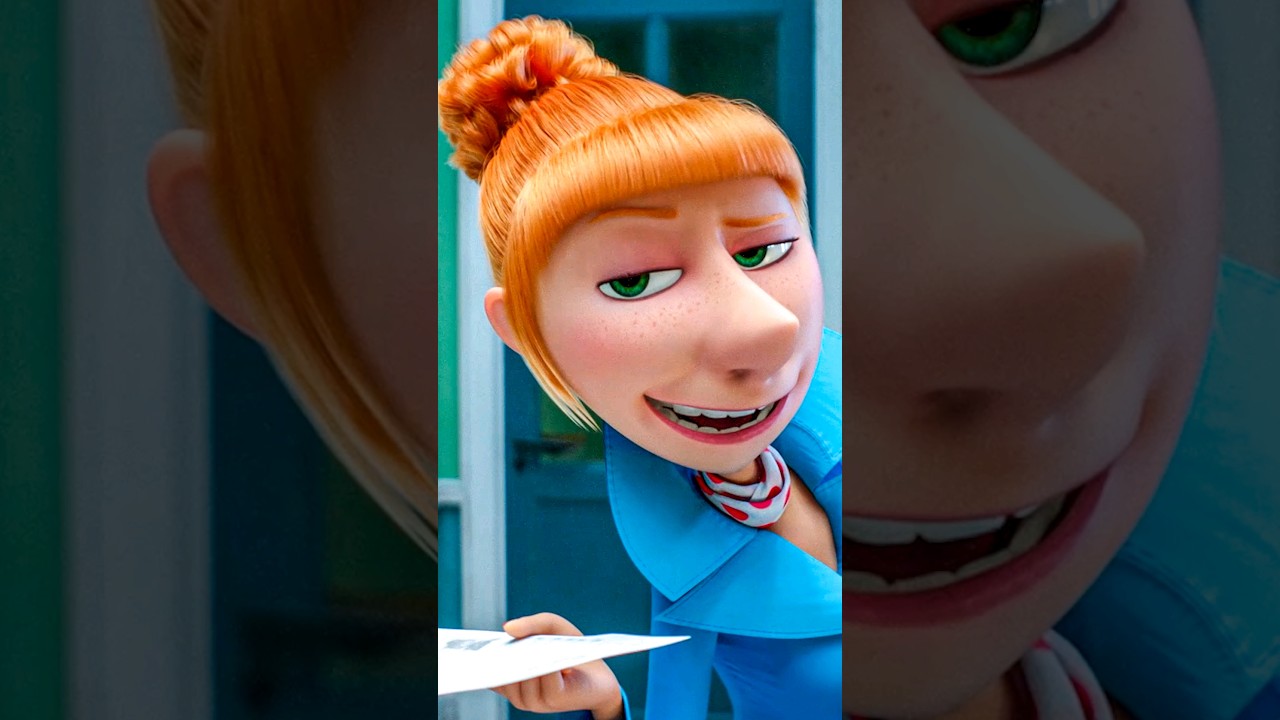
Learn German Through Movies | Funny Name Debate Scene with German Subtitles (A2-B1)
Learn German Through Movies | Funny Name Debate Scene with German Subtitles (A2-B1)
Improve your German listening skills naturally using authentic movie scenes. This hilarious name debate scene includes interactive subtitles, vocabulary, grammar notes and exercises.
What You'll Learn
- German expressions used in formal and informal conversations
- How native speakers express opinions, debate, and react to surprises
- Useful vocabulary for intermediate learners (A2-B1)
- Listening comprehension practice with real-time subtitles
📖 How To Study With This Lesson
- Watch with subtitles: Watch the scene with German and English subtitles to understand the context.
- Watch without subtitles: Cover the subtitles or minimize the video to test your listening comprehension.
- Repeat the sentences: Pause the video and repeat each sentence out loud to improve pronunciation.
- Download the PDF: Get the full transcript and translation for offline study and review.
📝 Scene Summary
🇩🇪 Deutsch
In dieser lustigen Szene geht es um die Vergabe neuer Identitäten. Ein Sprecher sagt: "Nun denn, also kommen wir zur Sache. Zu Ihrer eigenen Sicherheit bekommt jeder von Ihnen eine neue Identität." Eine Person fragt: "Neue Identität? Ist das denn wirklich notwendig?" Die Antwort: "Darüber wird nicht debattiert." Dann werden neue Berufe vergeben: "Also, Sie sind ein Vertreter für Solarmodule. Lucy, Sie sind Haarstylistin in einem exklusiven Salon." Lucy reagiert: "Ha! eine Haarstylistin! Hatten Sie die Info, dass ich mir selber die Haare schneide? Und der Knaller bin, was das angeht?" Die Antwort: "Nein." Dann werden neue Namen vergeben: "Chet Cunningham. Ja, ich finde, das passt sehr gut." "Cool! Ich heiße Blair!" "Mein Name ist Bree." "Ach komm, es gibt schlimmere Namen als Bree." "Ja, sowie Blanche." "Ja, Margo! Blanche! Oh, ein furchtbarer Name!" "Stell dir vor, du heißt Blanche!" "Ich kann mir echt keinen blöderen... Ich heiße Blanche, oder?" "Ja." "Na ja, alles Gewohnheitssache." Die Szene zeigt den humorvollen Umgang mit neuen Identitäten und Namen.
🇬🇧 English
In this funny scene, new identities are being assigned. A speaker says: "Well then, let's get down to business. For your own safety, each of you will receive a new identity." One person asks: "A new identity? Is that really necessary?" The answer: "That is not up for debate." Then new professions are assigned: "So, you are a sales representative for solar panels. Lucy, you are a hair stylist at an exclusive salon." Lucy reacts: "Ha! a hair stylist! Did anyone mention that I cut my own hair? And that I'm absolutely amazing at it?" The answer: "No." Then new names are assigned: "Chet Cunningham. Yeah, I think that suits me perfectly." "Cool! My name is Blair!" "My name is Bree." "Oh come on, there are worse names than Bree." "Yeah, like Blanche." "Yeah, Margo! Blanche! Oh, what a terrible name!" "Imagine if your name was Blanche!" "I really can't imagine a stupider... My name is Blanche, right?" "Yes." "Well, it's all a matter of getting used to it." The scene shows the humorous handling of new identities and names.
German Vocabulary
| German | English | Explanation |
|---|---|---|
| die Sache | matter / business | A subject or issue at hand |
| die Identität | identity | Who someone is |
| die Sicherheit | safety / security | Protection from harm |
| notwendig | necessary | Required or needed |
| debattieren | to debate | To discuss formally |
| der Vertreter | sales representative | Someone who sells products |
| das Solarmodul | solar panel | A panel that converts sunlight into electricity |
| die Haarstylistin | hair stylist | A person who styles hair (female) |
| exklusiv | exclusive | High-class and selective |
| der Salon | salon | A place for beauty treatments |
| der Knaller | cracker / sensation | Something amazing (informal) |
| furchtbar | terrible | Very bad or unpleasant |
| die Gewohnheitssache | a matter of habit | Something that requires getting used to |
Grammar Notes
📌 Modal Verbs - "müssen" (must/have to)
"Do I really have to?"
Rule: "müssen" expresses necessity or obligation. Conjugated forms: ich muss, du musst, er/sie/es muss.
📌 Passive Voice - "wird nicht debattiert"
"That is not up for debate." (literally: "That is not debated.")
Rule: The passive voice is formed with "werden" + past participle. "wird debattiert" = "is debated". Used when the focus is on the action, not the doer.
📌 Reflexive Verbs - "sich die Haare schneiden"
"I cut my own hair."
Rule: "sich die Haare schneiden" is a reflexive verb phrase. "mir" is the dative reflexive pronoun (for "ich").
📌 Subordinate Clauses - "dass"
"That I cut my own hair."
Rule: "dass" introduces a subordinate clause. The conjugated verb goes to the end of the clause.
📌 Imperative - "Stell dir vor"
"Imagine..."
Rule: "Stell dir vor" is the imperative form of "sich vorstellen" (to imagine). "dir" is the dative reflexive pronoun for "du".
Frequently Asked Questions
❓ Can movies help you learn German?
Yes, absolutely! Movies improve listening skills and vocabulary naturally because you hear authentic dialogues, expressions, and pronunciation used by native speakers in real contexts.
❓ What level is this lesson?
This lesson is suitable for A2-B1 learners (intermediate level). It contains common everyday expressions and clear pronunciation that are perfect for learners who already have basic German knowledge.
❓ Should I watch the scene more than once?
Yes, definitely! Repetition improves comprehension and pronunciation. Watch it multiple times - first with subtitles, then without, and practice repeating the sentences out loud.