.gif)
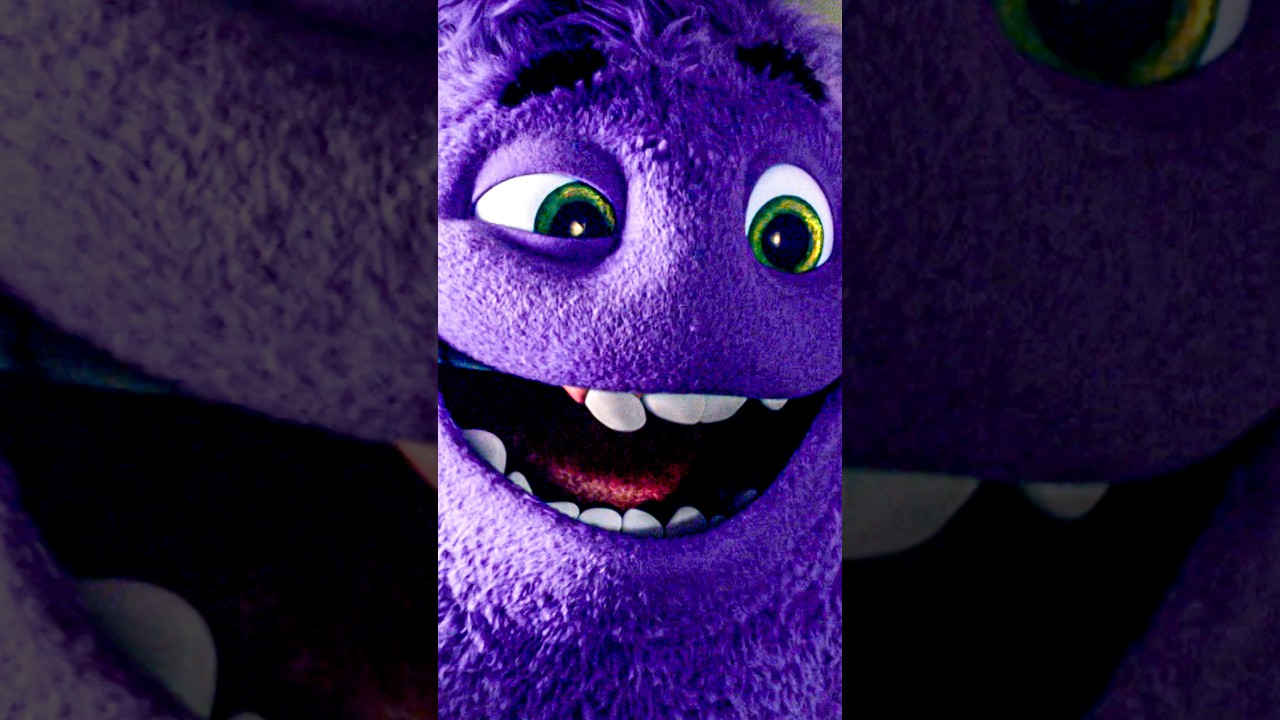
German Listening Practice with Movies | Funny Sneezing Dialogue (A2-B1)
German Listening Practice with Movies | Funny Sneezing Dialogue (A2-B1)
Improve your German listening skills naturally using authentic movie scenes. This hilarious sneezing scene includes interactive subtitles, vocabulary, grammar notes and exercises.
What You'll Learn
- German expressions used in everyday conversations
- How native speakers express urgency, warning, and pleading
- Useful vocabulary for intermediate learners (A2-B1)
- Listening comprehension practice with real-time subtitles
📖 How To Study With This Lesson
- Watch with subtitles: Watch the scene with German and English subtitles to understand the context.
- Watch without subtitles: Cover the subtitles or minimize the video to test your listening comprehension.
- Repeat the sentences: Pause the video and repeat each sentence out loud to improve pronunciation.
- Download the PDF: Get the full transcript and translation for offline study and review.
📝 Scene Summary
🇩🇪 Deutsch
In dieser lustigen Szene erzählt jemand eine Geschichte über eine gruselige Puppe. Die Person fragt: "Was ist passiert?" Sie erklärt: "Hör zu, sie hat ihre gruselige Puppe schlafen gelegt. Dann hat sie aufgehört. Sie sah nach oben. Sie hat eindeutig was gespürt. Da bin ich langsam zu ihr rübergelaufen. Und als ich ganz nah war, da..." Dann unterbricht die andere Person: "Warte... was soll das werden?" Sie ruft: "Nein, nein, nein, nein! Du lässt das sein! Hey, du lässt das sein! Ich schwöre dir, ich werde nie wieder mit dir reden, wenn du das tust! Bitte tu es nicht! Nein, bitte! Nein, nein, nein, nein, nein, nein, nein!" Die Szene zeigt einen humorvollen Moment, in dem jemand ein Niesen ankündigt und die andere Person panisch reagiert.
🇬🇧 English
In this funny scene, someone tells a story about a scary doll. The person asks: "What happened?" They explain: "Listen, she put her scary doll to sleep. Then she stopped. She looked up. She clearly felt something. That's when I slowly walked over to her. And when I was very close, then..." Then the other person interrupts: "Wait... what are you about to do?" They shout: "No, no, no, no! You stop that right now! Hey, cut it out! I swear, if you do that, I'll never talk to you again! Please don't do it! No, please! No, no, no, no, no, no, no!" The scene shows a humorous moment where someone is about to sneeze and the other person reacts panically.
German Vocabulary
| German | English | Explanation |
|---|---|---|
| passieren | to happen | To occur or take place |
| die Puppe | doll | A toy figure of a person |
| gruselig | scary | Causing fear or fright |
| schlafen legen | to put to sleep | To make someone sleep |
| aufhören | to stop | To cease an action |
| nach oben | upwards | In an upward direction |
| spüren | to feel | To sense or perceive |
| rübergelaufen | walked over | To walk from one place to another |
| schwören | to swear | To make a solemn promise |
| bitten | to beg / to ask | To make a request earnestly |
| tun | to do | To perform an action |
| lassen | to let / to leave | Used with "sein lassen" = "to stop doing" |
Grammar Notes
📌 Modal Verbs - "wollen" (to want)
"What are you about to do?" (literally: "What should that become?")
Rule: "sollen" can mean "should" or "to be supposed to". In this context, "Was soll das werden?" means "What are you about to do?" or "What's that supposed to be?"
📌 Imperative - Command Forms
"Stop that!"
Rule: "Lass" is the imperative form of "lassen" for "du". "Lass das sein!" means "Stop that!" or "Cut it out!".
📌 Conditional Clauses - "wenn" (if)
"If you do that..."
Rule: "wenn" introduces a conditional clause. In subordinate clauses, the conjugated verb goes to the end.
📌 Present Perfect - "hat... schlafen gelegt"
"She has put her doll to sleep."
Rule: "hat" is the auxiliary verb for the present perfect. "schlafen gelegt" is the past participle of "schlafen legen" (to put to sleep).
📌 Intensifiers - Repetition for Emphasis
"No, no, no!"
Rule: Repeating words multiple times is a common way to add emphasis or show strong emotion in German, especially in informal speech.
Frequently Asked Questions
❓ Can movies help you learn German?
Yes, absolutely! Movies improve listening skills and vocabulary naturally because you hear authentic dialogues, expressions, and pronunciation used by native speakers in real contexts.
❓ What level is this lesson?
This lesson is suitable for A2-B1 learners (intermediate level). It contains common everyday expressions and clear pronunciation that are perfect for learners who already have basic German knowledge.
❓ Should I watch the scene more than once?
Yes, definitely! Repetition improves comprehension and pronunciation. Watch it multiple times - first with subtitles, then without, and practice repeating the sentences out loud.