
Learn German from Movies
Learn German with Movies | Artificial Animals & the Avatar Comparison (A2-B1)
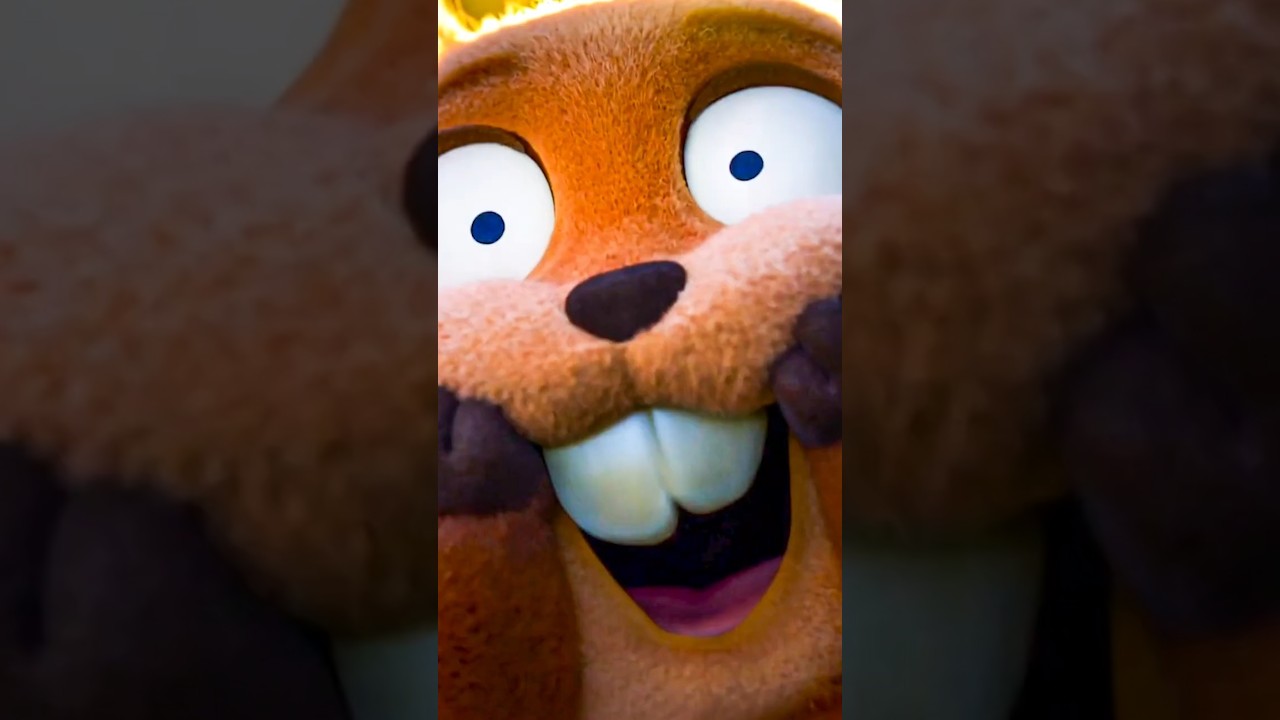
Learn how to talk about technology, innovation, and humor in German with this fun scene about an artificial animal. Watch as scientists explain their revolutionary invention — and one character can't help but compare it to Avatar! Includes interactive dual subtitles, key vocabulary, and essential grammar notes for intermediate learners.
What You'll Learn
- How to explain technology and innovation in German
- Talking about access and revolutionary ideas ("Zugang", "revolutionär")
- Comparing things with "wie" (like/as)
- Using the imperative for warnings ("Sei vorsichtig!")
- Everyday expressions for casual conversation ("Was geht ab?")
- Listening practice with authentic, dialogue-heavy German
📖 How To Study With This Lesson
- Watch with subtitles: Follow the German text with the English translation to understand the plot.
- Watch without subtitles: Turn off subtitles and test your listening comprehension.
- Repeat out loud: Pause after each line and repeat it — try to imitate the technical and casual tones.
- Download the PDF: Keep the full transcript for offline study and revision.
📝 Scene Summary
🇩🇪 Deutsch
In dieser witzigen Szene beginnt alles mit einer technischen Ankündigung: „Nach jahrelanger Arbeit ermöglicht uns diese revolutionäre Technologie einen beispiellosen Zugang in die Welt der Tiere. Wir stecken das da rein."
Dann kommt die Zusammenfassung: „Noch mal kurz gecheckt. Ihr habt ein künstliches Tier erschaffen, das andere Tiere glauben lässt, ihr seid wirklich ein Tier."
Und der Vergleich: „Leute, das ist wie Avatar."
Die trockene Antwort: „Das ist überhaupt nicht wie Avatar."
Und die Warnung: „Sei vorsichtig."
Dann der lässige Einstieg: „Wie geht's denn so? Was geht ab?"
Und die überraschende Fähigkeit: „Ich verstehe euch."
Eine herrlich absurde Szene über künstliche Tiere, Technologie und einen unvermeidlichen Avatar-Vergleich.
🇬🇧 English
In this funny scene, everything starts with a technical announcement: "After years of work, this revolutionary technology gives us unprecedented access into the world of animals. We put this in here."
Then the recap: "Just to quickly recap: You've created an artificial animal that makes other animals believe you are actually one of them."
And the comparison: "Guys, this is just like Avatar."
The dry response: "This is nothing like Avatar."
And the warning: "Be careful."
Then the casual entrance: "How's it going? What's up?"
And the surprising ability: "I understand you."
A wonderfully absurd scene about artificial animals, technology, and an inevitable Avatar comparison.
German Vocabulary
| German | English | Explanation |
|---|---|---|
| die Arbeit | work | Labor, effort |
| ermöglichen | to enable | To make possible |
| revolutionär | revolutionary | Completely new and innovative |
| die Technologie | technology | Applied science |
| beispiellos | unprecedented | Never seen before |
| der Zugang | access | Way in, entry |
| künstlich | artificial | Not natural |
| erschaffen | to create | To bring into existence |
| glauben lassen | to make believe | To deceive someone into thinking |
| vorsichtig | careful | Cautious, attentive |
| verstehen | to understand | To comprehend |
Grammar Notes
📌 Compound Noun – "jahrelanger Arbeit"
"After years of work..."
Rule: "jahrelang" (years-long) is a compound adjective: "Jahre" (years) + "lang" (long). It describes something that lasted for many years.
📌 Dative Preposition – "in die Welt der Tiere"
"...access into the world of animals."
Rule: "in" can take accusative (movement) or dative (location). Here, "in die Welt" is accusative because it expresses direction/access. "der Tiere" is genitive plural (of the animals).
📌 Separable Verb – "reinstecken"
"We put this in here."
Rule: "reinstecken" is a separable verb (rein + stecken). In a main clause, the prefix "rein" goes to the end. "Rein" is a shortened form of "herein" (in here).
📌 Relative Clause – "das andere Tiere glauben lässt"
"...created an artificial animal that makes other animals believe..."
Rule: "das" is a relative pronoun introducing a relative clause. The conjugated verb goes to the end. Here: "lässt" (from "lassen").
📌 Comparison – "wie Avatar"
"This is just like Avatar."
"Das ist überhaupt nicht wie Avatar."
"This is nothing like Avatar."
Rule: "wie" means "like" or "as" when comparing things that are similar. "überhaupt nicht wie" negates the comparison strongly.
📌 Imperative – "Sei vorsichtig!"
"Be careful."
Rule: "sei" is the imperative form of "sein" (to be) for "du". It's used for warnings, advice, or commands.
📌 Colloquial Expression – "Was geht ab?"
"How's it going? What's up?"
Rule: "Was geht ab?" is very colloquial German (youth slang) meaning "What's up?" or "What's happening?". It's used informally among friends.
Frequently Asked Questions
❓ Can movies help you learn German?
Yes, absolutely! Movies improve listening skills and vocabulary naturally because you hear authentic dialogues, expressions, and pronunciation used by native speakers in real contexts.
❓ What level is this lesson?
This lesson is suitable for A2-B1 learners (intermediate level). The dialogue mixes technical vocabulary with casual expressions — perfect for expanding your range.
❓ What does "künstliches Tier" mean?
"Künstliches Tier" means "artificial animal". "Künstlich" (artificial) comes from "Kunst" (art/skill). It's the opposite of "natürlich" (natural). In this scene, the scientists have created an animal that other animals believe is real.
❓ Why is "Das ist wie Avatar" funny?
It's a meta-joke. The character compares the technology in the scene to the movie "Avatar" — where humans also use artificial bodies to interact with another species. The dry response "Das ist überhaupt nicht wie Avatar" makes the joke even funnier because it's clearly denying the obvious similarity.