.gif)
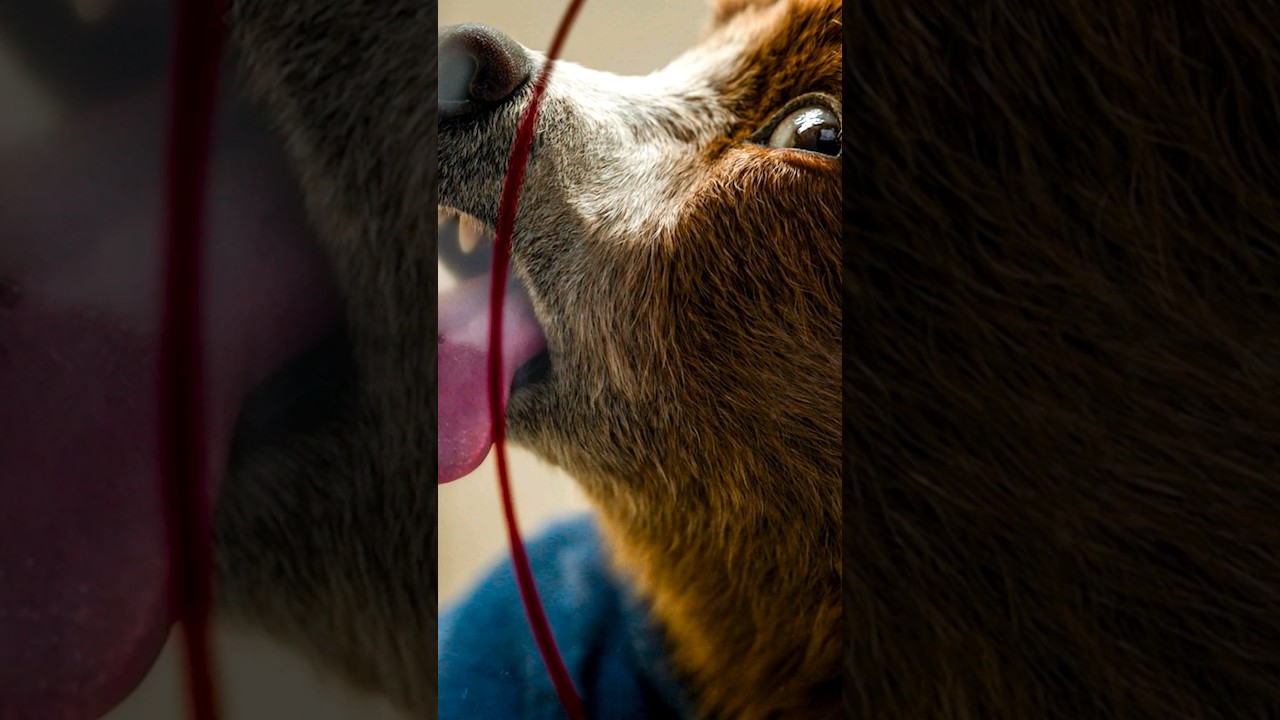
Learn German with Animated Movies | Photo Booth Scene | German Listening Practice
Learn German with Animated Movies | Photo Booth Scene | German Listening Practice
Improve your German listening skills naturally using authentic movie scenes. This fun lesson features a hilarious automated photo booth scene with interactive subtitles, vocabulary, and grammar notes.
What You'll Learn
- Formal German instructions and automated voice commands
- How to understand public announcements and rules
- Useful vocabulary for intermediate learners (A2-B1)
- Listening comprehension practice with real-time subtitles
📖 How To Study With This Lesson
- Watch with subtitles: Watch the scene with German and English subtitles to understand the context.
- Watch without subtitles: Cover the subtitles or minimize the video to test your listening comprehension.
- Repeat the sentences: Pause the video and repeat each sentence out loud to improve pronunciation.
- Download the PDF: Get the full transcript and translation for offline study and review.
📝 Scene Summary
🇩🇪 Deutsch
In dieser lustigen Szene steht eine Person in einem Fotoautomaten (Photo Booth). Eine automatische Stimme gibt Anweisungen: Sie bittet die Person, die Kopfbedeckung abzunehmen, da diese nicht erlaubt ist, und das Gesicht in einen roten Kreis zu positionieren. Alles scheint gut zu laufen, bis der Countdown für das Foto startet. Plötzlich passiert etwas Unerwartetes, und die Person ruft panisch "Nein!" und "Halt!".
🇬🇧 English
In this funny scene, a person is inside a photo booth. An automated voice gives instructions: it asks the person to remove their headgear, as it is not permitted, and to position their face inside a red circle. Everything seems to be going well until the countdown for the photo starts. Suddenly, something unexpected happens, and the person panics, shouting "No!" and "Stop!".
German Vocabulary
| German | English | Explanation |
|---|---|---|
| die Kopfbedeckung | headgear / headwear | Any item worn on the head, like a hat, cap, or scarf |
| gestattet | permitted / allowed | Formal way to say something is allowed (opposite of "verboten") |
| platzieren | to place / position | Formal verb for putting something in a specific spot |
| der Kreis | circle | A round shape; "roter Kreis" = red circle |
| die Fotoaufnahme | photo capture / photograph | The act of taking a photo |
| beachten | to note / pay attention to | To observe or follow a rule or instruction |
| innerhalb | inside / within | A preposition usually followed by the genitive case |
Grammar Notes
📌 Formal Commands (Imperative)
"Please note..." / "Place your face..."
Rule: The formal imperative is formed by using the verb followed by the formal pronoun "Sie". It is used for official instructions, public announcements, or automated systems addressing a user.
📌 State Passive (Zustandspassiv)
"...that headgear is not permitted."
Rule: The state passive (sein + past participle) expresses the result or state of an action. Here it means that the rule is already in effect (the headgear is in a state of being not permitted).
📌 Preposition with Genitive: "innerhalb"
"inside the red circle"
Rule: The preposition "innerhalb" (within/inside) requires the genitive case. The masculine noun "der Kreis" becomes "des Kreises" (adding -es), and the adjective "rot" takes the genitive ending "-en".
📌 Short Interjections
"No!" / "Stop!"
Rule: "Nein!" and "Halt!" are quick, common expressions used in emergencies, to express refusal, or to stop an action immediately. "Halt" is the standard German word for "Stop!".
Frequently Asked Questions
❓ Can animated movies help you learn German?
Yes, absolutely! Animated movies are excellent for learning because they use clear pronunciation, everyday vocabulary, and express emotions in a very visual and easy-to-understand way.
❓ What level is this lesson?
This lesson is suitable for A2-B1 learners (intermediate level). It contains common everyday expressions, formal instructions, and clear dialogues that are perfect for learners who already have basic German knowledge.
❓ Should I watch the scene more than once?
Yes, definitely! Repetition improves comprehension and pronunciation. Watch it multiple times - first with subtitles, then without, and practice repeating the sentences out loud.