.gif)
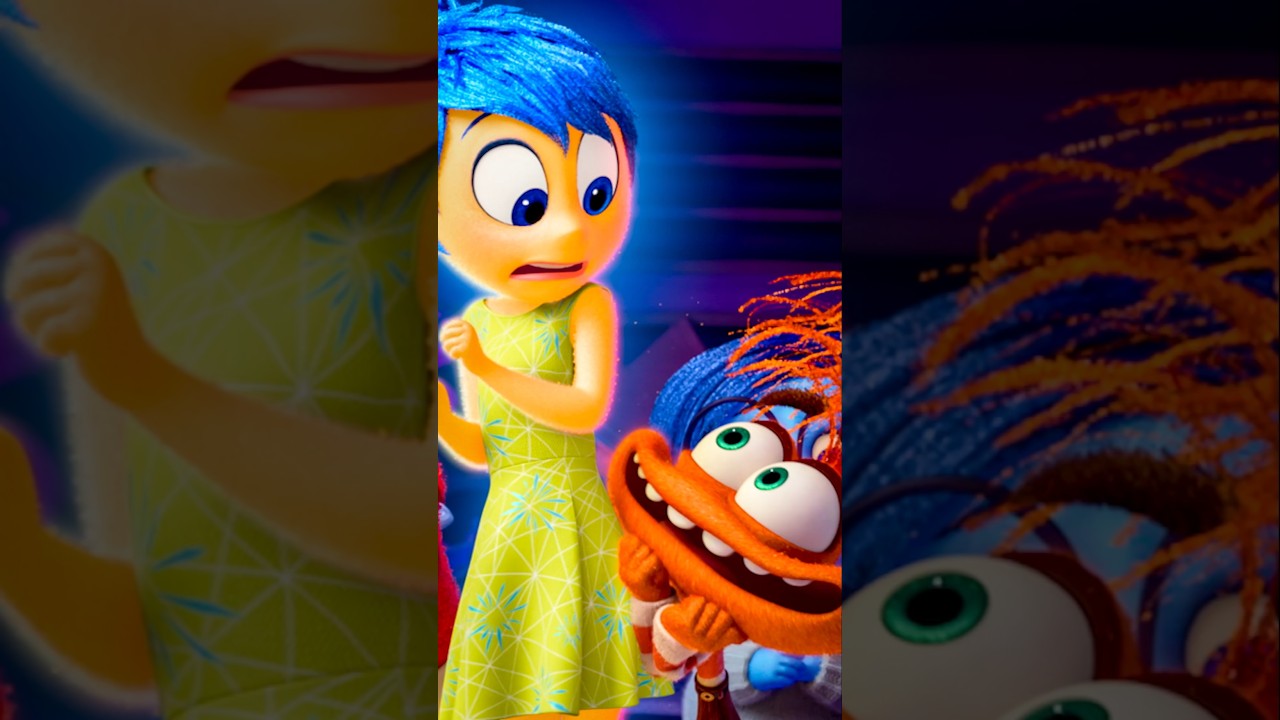
Learn German with Inside Out 2 | Anxiety Scene | German Listening Practice
Learn German with Inside Out 2 | Anxiety Scene | German Listening Practice
Improve your German listening skills naturally using authentic movie scenes. This fun lesson features a scene from Inside Out 2 with interactive subtitles, vocabulary, and grammar notes.
What You'll Learn
- German expressions used in everyday conversations and animated movies
- How native speakers express excitement, surprise, and offers to help
- Useful vocabulary for intermediate learners (A2-B1)
- Listening comprehension practice with real-time subtitles
📖 How To Study With This Lesson
- Watch with subtitles: Watch the scene with German and English subtitles to understand the context.
- Watch without subtitles: Cover the subtitles or minimize the video to test your listening comprehension.
- Repeat the sentences: Pause the video and repeat each sentence out loud to improve pronunciation.
- Download the PDF: Get the full transcript and translation for offline study and review.
📝 Scene Summary
🇩🇪 Deutsch
In dieser Szene aus dem Film "Inside Out 2" treffen wir "Zweifel" (Anxiety), eine der neuen Emotionen von Riley. Sie ist extrem aufgeregt, energiegeladen und bietet sofort ihre Hilfe an – vom Kaffeeholen bis zum Hundausführen. Die anderen sind etwas überwältigt von ihrer schnellen Art und fragen sich, wer sie eigentlich ist. Am Ende stellt sie sich als eine von Rileys neuen Emotionen vor, die super begeistert ist, endlich da zu sein.
🇬🇧 English
In this scene from the movie "Inside Out 2", we meet "Anxiety" (referred to as "Zweifel" in the German text), one of Riley's new emotions. She is extremely excited, full of energy, and immediately offers her help with everything from getting coffee to walking the dog. The others are a bit overwhelmed by her fast-paced nature and wonder who she actually is. In the end, she introduces herself as one of Riley's new emotions who is super stoked to finally be there.
German Vocabulary
| German | English | Explanation |
|---|---|---|
| die Konsole | the console | A device used for playing video games |
| orange | orange | A color; "Orange ist nicht meine Farbe" (Orange isn't my color) |
| ach du Schreck | oh my goodness | An exclamation used to express surprise or shock |
| mitschreiben | to take notes | To write down information while listening |
| der Termin | the appointment | A scheduled meeting or event |
| ausführen | to walk (a dog) | To take a pet outside for exercise (separable verb) |
| die Energie | energy | Physical or mental power; "eine Menge Energie" (a lot of energy) |
| die Emotion | the emotion | A feeling like joy, sadness, or anxiety |
| gefplasht | stoked / thrilled | Slang for being very excited (borrowed from English) |
| das Zeug | stuff | Informal word for belongings or things |
Grammar Notes
📌 Separable Verbs - "ausführen"
"to walk your dog"
Rule: "ausführen" is a separable verb. In infinitive clauses or with modal verbs, the prefix "aus" stays with the verb, but in main clauses, it goes to the end (e.g., "Ich führe den Hund aus").
📌 Making Suggestions - "Wie wär's, wenn..."
"How about you stay in one place?"
Rule: "Wie wäre es, wenn..." (How about if...) is used to make polite suggestions. It is followed by a subordinate clause with the verb at the end.
📌 Exclamations of Surprise - "Ach du Schreck!"
"Oh my goodness, I'm such a big fan of yours!"
Rule: "Ach du Schreck!" (literally "Oh you fright!") is a common, family-friendly German idiom used to express sudden surprise or shock.
📌 Colloquial Language & Loanwords - "gefplasht" & "Zeug"
"we are super stoked" / "Where should my stuff go?"
Rule: "gefplasht" is a colloquial loanword from English used by younger speakers. "Zeug" is a very common informal noun for "stuff" or "things".
Frequently Asked Questions
❓ Can animated movies help you learn German?
Yes, absolutely! Animated movies like Inside Out 2 are excellent for learning because they use clear pronunciation, everyday vocabulary, and express emotions in a very visual and easy-to-understand way.
❓ What level is this lesson?
This lesson is suitable for A2-B1 learners (intermediate level). It contains common everyday expressions, some colloquial slang, and clear dialogues that are perfect for learners who already have basic German knowledge.
❓ Should I watch the scene more than once?
Yes, definitely! Repetition improves comprehension and pronunciation. Watch it multiple times - first with subtitles, then without, and practice repeating the sentences out loud.